Gulftech

omni channel engagement

GulftechTechnologyomni channel engagement
pro-single-img1-1-min

Omni Channel Engagement

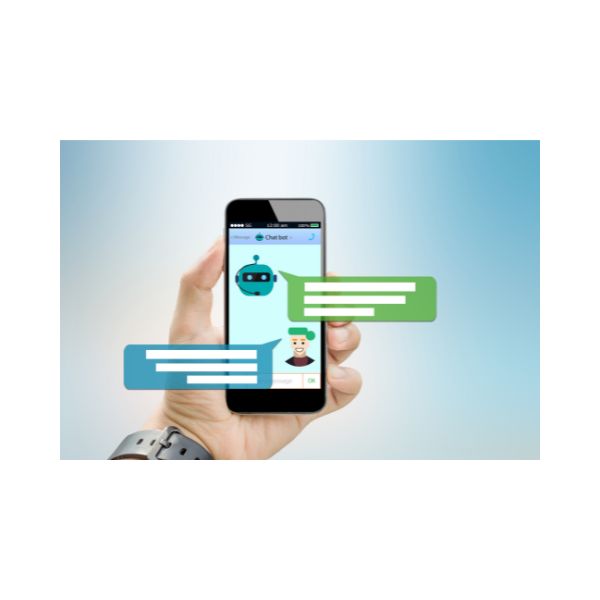
Engage and retain your customers with our platform on 14+ channels, including Web, Instagram, Facebook Messenger, WhatsApp, Email, Telegram, and more.


Customize the web experiences to your brand and theme.


Build once and deploy across all the channels.

.

Customize Customer Experience

Customer Retention

Automate & Personalize

Map the Customer Journey

Core Challenges for AI

Omnichannel engagement is a strategy that unifies a brand's communication channels—such as websites, mobile apps, social media, email, and physical stores—to create a seamless, cohesive customer experience. It allows customers to switch between platforms without losing context, ensuring every interaction builds on previous ones.
Core Benefits
    • Context Continuity: Conversations carry over effortlessly (e.g., a customer can start a query on WhatsApp and finish it via Instagram or an in-store kiosk).
  • Deep Personalization: Aggregating data across all touchpoints helps businesses understand user behavior, enabling highly tailored messaging.
  • Higher Retention: Brands with strong omnichannel strategies retain an average of 89% of their customers, compared to just 33% for those with weak ones.
 
  • Mails
  • Web
  • Chatbot
  • WhatsApp
  • Skype
  • Line
  • Telegram
1
4
2
3
5
Key Differences: Multichannel vs. Omnichannel
While both utilize multiple platforms, they execute them very differently:
  • Multichannel: Operates in “silos.” Each channel (e.g., email, app, physical store) exists independently with its own messaging, data, and management system.
  • Omnichannel: Integrates channels into a single, centralized ecosystem. The data flows freely, ensuring the customer receives a consistent brand experience regardless of where they are. [1, 2, 3, 4, 5]
How to Build a Winning Strategy
  1. Centralize Data: Utilize customer engagement platforms that gather data from all touchpoints into a unified dashboard.
  2. Map the Customer Journey: Identify every interaction point—from awareness and interest to the decision and post-purchase phases.
  3. Automate & Personalize: Use AI-driven next-best-action models and intelligent content systems to deliver relevant messages at the right time.
To dive deeper into building these strategies and utilizing customer data, you can explore guides and frameworks provided by industry leaders like Emarsys or Twilio.